ORIGINAL LINKEDIN ARTICLE
The Importance of a Maintenance Strategy in Feed Mill Operations
Effective maintenance is a cornerstone of ensuring optimal feed mill operations. In an industry where efficiency and uptime are paramount, implementing a well-structured maintenance strategy is crucial for reducing downtime, extending the life of equipment, and ultimately ensuring continuous production. A maintenance strategy not only helps prevent unexpected failures but also boosts operational efficiency by enhancing equipment reliability. Feed mills operate under rigorous conditions, with machinery continuously exposed to heavy loads and abrasive materials, which makes them vulnerable to breakdowns if not properly maintained. This article will explore the different types of maintenance approaches-preventive, corrective, and predictive-and highlight the importance of adopting a comprehensive maintenance strategy to keep feed mills running smoothly.
1. The Role of a Maintenance Strategy in Feed Mill Efficiency
A well-thought-out maintenance strategy is essential for maintaining the efficiency of feed mill operations. Downtime due to equipment failures can have significant financial implications, causing production delays and affecting the supply chain. With feed mills often operating at full capacity to meet demand, even a brief period of inactivity can lead to bottlenecks in production, impacting feed quality and customer satisfaction.
By establishing a maintenance plan, feed mills can proactively address potential issues before they escalate into major problems. A consistent approach to equipment upkeep ensures that machinery operates at peak efficiency, minimizing energy consumption and reducing wear and tear on critical components. Regular maintenance can prevent costly breakdowns and extend the life of equipment, leading to long-term savings.
Moreover, a strategic maintenance plan allows feed mill operators to schedule maintenance activities during planned downtime or low-demand periods, minimizing the disruption to daily operations. This proactive approach not only ensures that equipment remains reliable but also boosts overall productivity by preventing unexpected outages. Implementing a comprehensive maintenance strategy is crucial for sustaining feed mill efficiency and ensuring the continued supply of high-quality feed to customers.
Smithfield hog production is seeing greater efficiency with modern technologies in its feed mills. Photo courtesy of Inductive Automation
2. Types of Maintenance Approaches: Preventive, Corrective, and Predictive
A comprehensive maintenance strategy in feed mill operations involves the use of different approaches that target specific goals, such as avoiding breakdowns, swiftly addressing issues, and predicting failures before they occur. The three primary types of maintenance are preventive, corrective, and predictive, each serving a distinct purpose in optimizing equipment performance.
Preventive Maintenance
Preventive maintenance is a proactive approach that involves regularly scheduled inspections, cleaning, and part replacements to prevent equipment failures before they happen. This method is based on the idea that routine care, such as lubricating moving parts, tightening loose components, or replacing worn-out parts, can extend the lifespan of machinery and minimize the risk of unexpected downtime.
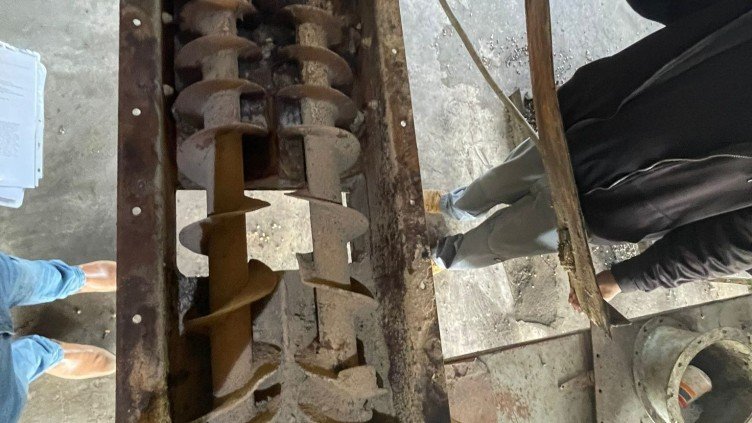
In feed mills, where equipment like mixers, conveyors, and pellet mills are continuously exposed to wear, preventive maintenance ensures that machines run smoothly and without interruptions. It can involve simple tasks such as checking belt tension on conveyors or more complex tasks like recalibrating batching scales. The goal is to keep all machinery in peak condition to avoid sudden malfunctions that could disrupt production.
By adhering to a preventive maintenance schedule, feed mills can significantly reduce emergency repairs and the costs associated with them. Furthermore, regular maintenance helps maintain consistent product quality, as poorly maintained equipment can lead to inconsistencies in feed mixing, grinding, or pelleting.
Corrective Maintenance
Corrective maintenance is a reactive approach, initiated when equipment has already failed or is no longer functioning correctly. In feed mills, this typically occurs when a machine part breaks down during operation, requiring immediate attention to restore functionality. This approach focuses on diagnosing the issue, replacing faulty components, and getting the system back online as quickly as possible.
While corrective maintenance cannot be entirely avoided, it is generally more costly and disruptive than preventive or predictive methods. When feed mill operators rely heavily on corrective maintenance, they risk extended downtime, delayed production schedules, and potential damage to other machinery parts. For example, a failed conveyor belt may lead to raw material buildup, which could clog the system and cause additional failures downstream.
Though it is sometimes necessary, corrective maintenance should be kept to a minimum. An over-reliance on this approach often indicates a lack of a structured maintenance program, leaving operators vulnerable to unexpected costs and inefficiencies.
Predictive Maintenance
Predictive maintenance leverages advanced technologies to monitor the condition of equipment in real-time and predict potential failures before they happen. This approach relies on sensors, data analytics, and monitoring systems to collect information on key performance indicators, such as temperature, vibration, and wear levels of moving parts. By analyzing this data, predictive maintenance systems can alert operators when machinery is likely to fail, allowing them to schedule repairs or part replacements before the failure occurs.
In modern feed mills, predictive maintenance offers numerous benefits. By identifying issues early, mills can prevent unplanned downtime, minimize the risk of catastrophic equipment failure, and optimize repair schedules. Technologies such as hazard monitoring systems are particularly useful in environments prone to high levels of dust or material buildup, as they can detect potential hazards, such as overheating bearings or misaligned conveyors, before they lead to system failures.
This data-driven approach is especially valuable in complex feed mill operations, where multiple machines must work in tandem. Predictive maintenance not only prevents production interruptions but also extends equipment life by ensuring repairs are made at the most opportune times. While the initial investment in predictive technologies may be higher, the long-term benefits-reduced downtime, lower repair costs, and extended machinery life-make it an attractive option for forward-thinking feed mills.
By combining preventive, corrective, and predictive maintenance strategies, feed mill operators can create a balanced approach that maximizes uptime, reduces costs, and extends the longevity of critical equipment.
3. Minimizing Downtime and Extending Equipment Life Through Maintenance
The success of any feed mill relies on its ability to operate continuously with minimal interruptions. Downtime can disrupt production, delay shipments, and lead to significant financial losses. An effective maintenance strategy can significantly reduce downtime by keeping equipment in peak operating condition and preventing unexpected breakdowns. Additionally, a well-maintained system can extend the lifespan of machinery, which helps in managing capital expenditures and improving long-term profitability.
Preventive Maintenance: Proactive Equipment Care
Preventive maintenance plays a crucial role in minimizing downtime by addressing potential issues before they result in failure. By routinely inspecting and maintaining equipment, feed mills can ensure that machinery is consistently operational. Routine tasks such as checking for wear and tear, adjusting misaligned components, and replacing worn parts are simple but highly effective in preventing larger, more expensive failures down the line.
For example, ensuring that conveyors, mixers, and pellet mills are regularly cleaned and lubricated can help avoid common issues like material buildup, which can lead to overheating or mechanical failure. By scheduling this type of maintenance during non-peak hours or planned shutdowns, feed mills can reduce unplanned interruptions in production, keeping operations smooth and efficient.
Corrective Maintenance: Reducing the Impact of Failures
Even with preventive measures in place, equipment failure can still occur. Corrective maintenance addresses these failures after they happen, ensuring that machinery is quickly repaired and back in operation with minimal disruption. While corrective maintenance is reactive, its effectiveness lies in the ability to respond swiftly and efficiently.
To minimize downtime during corrective maintenance, feed mills should ensure that critical spare parts are readily available and that staff are trained to troubleshoot and repair common failures. This readiness can greatly reduce the time it takes to get equipment back online. Additionally, establishing clear protocols for equipment failure can streamline the repair process, reducing the impact of downtime on overall production.
Predictive Maintenance: Avoiding Downtime with Data-Driven Insights
Predictive maintenance is particularly effective in minimizing downtime because it allows feed mill operators to identify potential issues before they result in failure. By using advanced monitoring systems, such as AGI’s hazard monitoring technology, operators can track the condition of critical components like bearings, belts, and motors in real time. This data can help predict when a component is likely to fail, allowing maintenance teams to intervene before a breakdown occurs.
For instance, a predictive maintenance system might detect unusual vibrations in a hammer mill, indicating that a bearing is wearing out. By addressing the issue early, operators can replace the bearing during a scheduled maintenance window rather than dealing with a costly unplanned failure. Predictive maintenance also optimizes repair schedules, ensuring that equipment is only serviced when necessary, which helps in minimizing unnecessary downtime while extending the life of machinery.
Extending Equipment Life Through Maintenance
A well-executed maintenance strategy not only minimizes downtime but also significantly extends the lifespan of feed mill equipment. Machines that undergo regular preventive and predictive maintenance experience less wear and tear, operate more efficiently, and are less prone to catastrophic failures. This helps feed mills avoid the high costs associated with equipment replacement and can lead to substantial savings over time.
For example, maintaining proper alignment and tension in conveyor belts prevents them from wearing prematurely, while regularly lubricating motors and bearings reduces friction and heat, which can degrade components over time. Furthermore, predictive maintenance ensures that parts are replaced only when they are close to failure, maximizing their useful life while minimizing waste.
4. Steps to Implement a Maintenance Strategy in Feed Mill Operations
Adopting a maintenance strategy in feed mill operations requires careful planning and execution. The process involves assessing current practices, identifying areas for improvement, and incorporating various maintenance techniques to ensure equipment remains in optimal working condition. Below are the critical steps that feed mills should follow when implementing an effective maintenance strategy.
Step 1: Evaluate Current Equipment Performance and Maintenance History
The first step in developing a maintenance strategy is to assess the current state of the equipment and existing maintenance practices. This involves reviewing maintenance logs, analyzing downtime records, and understanding the root causes of previous equipment failures. Feed mill operators should evaluate the performance of key machinery, such as mixers, pellet mills, conveyors, and other handling equipment, to identify recurring issues or areas where machinery tends to fail.
This initial evaluation provides insight into which equipment may need more frequent attention and where potential problems could arise in the future. Additionally, understanding past failures helps in planning future maintenance activities that address specific weaknesses in the system.
Step 2: Choose the Right Maintenance Strategy
Once the evaluation is complete, it’s essential to choose a maintenance strategy that fits the specific needs of the feed mill. This typically involves combining preventive, corrective, and predictive maintenance approaches to ensure maximum efficiency and minimal downtime. Each type of maintenance has its strengths, and integrating them ensures comprehensive coverage:
Preventive Maintenance should be scheduled regularly for machinery that requires constant upkeep to prevent wear and tear.
Corrective Maintenance protocols should be in place for addressing unexpected equipment failures swiftly and efficiently.
Predictive Maintenance should be adopted for critical equipment that can benefit from real-time monitoring and data analysis to predict issues before they occur.
For example, preventive maintenance can be scheduled for routine lubrication of motors, while predictive maintenance can be applied to high-risk components such as bearings or belts that require continuous monitoring to avoid unplanned downtime.
Step 3: Set Up a Maintenance Schedule
Developing a structured maintenance schedule is crucial for ensuring all preventive tasks are performed regularly, and predictive alerts are addressed promptly. The maintenance schedule should take into account the operating hours of the feed mill, peak production periods, and equipment load cycles.
For instance, routine tasks like cleaning, lubrication, and inspections should be scheduled during low-demand times or planned downtime periods to avoid disrupting production. Additionally, predictive maintenance systems can help trigger maintenance actions when the system detects early signs of potential failure, allowing maintenance to be performed during non-critical periods.
The schedule should also account for critical spare parts inventory to ensure that replacement parts are readily available when needed. Proper inventory management reduces the risk of extended downtime due to unavailable parts.
Step 4: Integrate Monitoring Systems for Predictive Maintenance
To take full advantage of predictive maintenance, feed mills should invest in modern monitoring systems that continuously track equipment performance. These systems use sensors to measure variables such as temperature, vibration, and wear, providing real-time data on the health of key components.
For example, AGI’s hazard monitoring systems can be used to track the condition of critical components such as motors, bearings, and belts. These systems detect early signs of wear or malfunction and generate alerts before a major failure occurs. By integrating these technologies, feed mill operators can gain valuable insights into machinery performance and address issues proactively.
Moreover, predictive monitoring tools can be linked to the feed mill’s existing automation systems, allowing for seamless data integration and efficient scheduling of maintenance activities. This reduces the need for manual checks and ensures that the system automatically triggers repairs when necessary.
Step 5: Train Maintenance Personnel
Successful implementation of a maintenance strategy requires skilled personnel who are familiar with the equipment and maintenance protocols. Feed mills should invest in continuous training for their maintenance teams to ensure they are equipped to handle preventive, corrective, and predictive maintenance tasks effectively.
Training should cover the proper use of monitoring technologies, troubleshooting common issues, and performing regular inspections. Personnel should also be trained in safety protocols to ensure all maintenance tasks are performed safely and according to industry standards.
In addition, cross-training operators on basic maintenance tasks can further reduce downtime. By empowering machine operators to handle minor repairs or adjustments, feed mills can prevent small issues from escalating into major failures.
Step 6: Review and Optimize the Maintenance Strategy
Once the maintenance strategy is in place, regular reviews are essential to assess its effectiveness and make necessary adjustments. This step involves analyzing key performance indicators (KPIs) such as downtime reduction, equipment lifespan, and maintenance costs. Regularly updating the strategy ensures that it evolves with the changing needs of the feed mill and incorporates any advancements in technology or best practices.
Operators should also consider implementing continuous improvement programs to refine the maintenance strategy, such as conducting debriefs after major repairs or breakdowns to identify lessons learned and areas for improvement.
5. The Role of Technology in Modern Maintenance Practices
In today’s feed mill operations, technology plays a pivotal role in advancing maintenance practices, helping ensure efficient equipment management. By integrating advanced tools such as sensors, automation, and data analytics, feed mills can adopt more proactive maintenance strategies, reduce operational downtime, and maximize the longevity of their equipment. This section explores the key technological advancements that modern feed mills can leverage to optimize their maintenance strategies.
Real-Time Monitoring and Predictive Analytics
One of the most transformative advancements in maintenance is real-time monitoring. Technologies like AGI’s hazard monitoring systems and predictive maintenance tools provide feed mill operators with continuous, real-time data on critical equipment components such as motors, bearings, and belts. These systems use sensors to measure key parameters such as temperature, vibration, and wear levels, allowing operators to detect early signs of equipment degradation.
Predictive maintenance analyzes this real-time data using advanced algorithms to forecast when a piece of equipment is likely to fail. This proactive approach enables feed mills to address issues before they lead to downtime. For example, if a system detects abnormal vibrations in a motor, it can alert the maintenance team, allowing repairs to be scheduled before a failure occurs. This reduces unplanned downtime and ensures that maintenance is performed at the most opportune times.
Predictive maintenance also extends equipment life by ensuring that repairs and replacements are made only when necessary. By utilizing real-time data, feed mills can move away from reactive repairs and optimize maintenance schedules to reduce unnecessary work and costs.
Automation and Control Systems
Automation is transforming maintenance practices in feed mills by streamlining routine tasks and reducing human intervention. Automated systems can perform equipment checks, initiate maintenance actions, and even shut down machines if critical thresholds are exceeded. This helps ensure maintenance tasks are executed accurately and on time, without relying on manual oversight.
AGI’s control systems, in partnership with leading industry providers, enable feed mills to automate various processes, including ingredient batching, grinding, and mixing, while continuously monitoring equipment conditions. If the system detects an issue-such as a blocked conveyor or overheated motor-automated systems can take immediate corrective action, such as shutting down equipment to prevent damage.
Incorporating automation into maintenance strategies also optimizes resource allocation. Automated systems ensure maintenance activities are performed only when needed, reducing waste and operational costs. By integrating automation with real-time monitoring, feed mills can maximize efficiency while minimizing the risk of human error in equipment maintenance.
Data Integration and Centralized Maintenance Management
Modern feed mills benefit greatly from centralized maintenance management systems, which consolidate data from various sources into a unified platform. These systems provide a complete view of maintenance activities, equipment performance, and historical repairs, allowing operators to make informed decisions regarding asset management.
With centralized maintenance management, feed mill operators can track equipment performance, manage preventive maintenance schedules, and monitor ongoing repairs. This holistic view of operations enables better decision-making, such as when to order replacement parts or when to conduct inspections. Additionally, centralized systems can generate performance reports and analytics that highlight trends, helping operators identify inefficiencies and optimize their maintenance strategy.
Moreover, centralized systems help manage spare parts inventory, ensuring that critical components are always available when needed. This prevents extended downtime due to delays in sourcing parts, further improving operational efficiency.
Hazard Monitoring Systems
In the feed mill environment, where machinery is exposed to harsh conditions such as dust, high temperatures, and mechanical stress, hazard monitoring systems are essential for maintaining safety and equipment integrity. AGI’s hazard monitoring systems provide real-time tracking of critical parameters, such as bearing temperature, belt alignment, and motor loads, to prevent dangerous conditions from escalating into equipment failures.
For example, if a belt misalignment occurs, the system will detect the issue and alert the operator, preventing further damage or potential hazards like overheating, which can lead to fires in dusty environments. By addressing these issues early, hazard monitoring systems help avoid costly breakdowns while protecting both equipment and personnel.
These systems also ensure compliance with safety standards, as they monitor for hazardous conditions and generate alerts to address issues promptly, enhancing overall workplace safety in feed mills.
Remote Monitoring and Maintenance Support
Remote monitoring technology allows feed mill operators to oversee equipment performance from any location, providing greater flexibility in managing maintenance activities. With the Industrial Internet of Things (IIoT), sensors and control systems can be connected to cloud-based platforms, enabling operators to monitor machinery and receive alerts in real time, even if they are not physically on-site.
This capability is particularly valuable for feed mills with multiple locations or those situated in remote areas. Operators can respond quickly to equipment issues, minimizing downtime and ensuring smooth operations across all facilities.
Additionally, remote monitoring systems often support remote diagnostics and troubleshooting. Equipment manufacturers and service providers can access real-time data to diagnose issues and guide on-site personnel through the repair process, reducing the need for costly, time-consuming travel by specialized technicians. This not only saves on repair costs but also ensures quicker resolutions to technical problems.
6. Benefits of a Comprehensive Maintenance Strategy for Feed Mill Operations
A comprehensive maintenance strategy is crucial to the long-term success of feed mill operations. By integrating preventive, corrective, and predictive maintenance practices, feed mills can significantly enhance their efficiency, reduce operating costs, and extend the life of their machinery. A well-structured maintenance plan offers a range of benefits, from minimizing downtime to improving the overall safety and reliability of the facility. This section highlights the key advantages of adopting a comprehensive maintenance strategy in feed mills.
Reduced Downtime and Increased Operational Efficiency
One of the most significant benefits of a robust maintenance strategy is the reduction of unplanned downtime. Equipment failures and breakdowns can cause severe disruptions in feed production, leading to delays and increased operational costs. By implementing a proactive maintenance plan, feed mills can ensure that machinery is well-maintained and less prone to unexpected failures.
Preventive and predictive maintenance approaches play a critical role in this. Preventive maintenance helps avoid equipment wear and tear by addressing potential issues before they cause breakdowns. Predictive maintenance, on the other hand, uses real-time data and monitoring systems to forecast failures and schedule repairs at optimal times. This combination ensures that feed mills experience fewer interruptions, leading to smoother operations and higher production efficiency.
For example, monitoring key machinery components such as motors, conveyors, and pellet mills allows operators to detect performance anomalies early and take corrective action before they escalate into major failures. This proactive approach helps keep production running continuously, maximizing output and profitability.
Cost Savings Through Efficient Resource Management
A well-planned maintenance strategy contributes directly to cost savings by optimizing resource allocation and reducing unnecessary repairs. Preventive maintenance, while requiring an upfront investment in regular inspections and part replacements, is far less costly than emergency repairs or the complete replacement of damaged machinery. Moreover, predictive maintenance helps avoid unnecessary repairs by identifying exactly when a component needs servicing, ensuring that parts are used to their full potential.
By adopting predictive maintenance, feed mills can schedule repairs based on actual equipment conditions rather than fixed intervals. This data-driven approach prevents premature part replacements and ensures that maintenance efforts are focused where they are most needed. Additionally, minimizing emergency repairs reduces labor costs associated with urgent call-outs and extended downtime.
Furthermore, a well-organized maintenance plan helps manage spare parts inventory more efficiently. Feed mills can reduce the costs of holding excessive spare parts by maintaining only what is necessary for critical machinery, while still ensuring that essential parts are available when needed.
Extended Equipment Lifespan
Another key advantage of a comprehensive maintenance strategy is the significant extension of equipment lifespan. Regular maintenance prevents excessive wear and tear on machinery, ensuring that critical components like motors, bearings, and belts remain in good condition for longer periods. This not only reduces the frequency of replacements but also delays the need for costly equipment overhauls.
For instance, routine lubrication of moving parts, timely adjustments to misaligned belts, and regular cleaning of equipment can prevent premature wear and extend the operational life of feed mill machinery. Predictive maintenance further enhances equipment longevity by ensuring that parts are replaced or repaired only when necessary, based on data from real-time monitoring systems. This helps avoid unnecessary downtime and maximizes the return on investment for expensive machinery.
Improved Product Quality
A well-maintained feed mill operates more consistently, leading to improved product quality. Equipment that is regularly serviced and calibrated is less likely to suffer from issues such as inconsistent feed batching, improper grinding, or incorrect ingredient mixing. By ensuring that equipment is in optimal working condition, feed mills can produce high-quality feed that meets nutritional standards and customer expectations.
For example, poorly maintained pellet mills can lead to uneven pellet sizes or reduced pellet durability, which can affect the feed conversion ratios in livestock. Preventive and predictive maintenance help avoid these issues by ensuring that machines function correctly, producing consistent, high-quality output.
Enhanced Safety and Compliance
Safety is a top priority in feed mill operations, and a comprehensive maintenance strategy helps ensure that equipment operates safely and in compliance with industry regulations. Malfunctioning machinery can pose significant risks to both workers and equipment, with the potential for fires, dust explosions, or injuries resulting from mechanical failures.
By integrating hazard monitoring systems and conducting regular safety checks, feed mills can identify and mitigate potential hazards before they escalate. Predictive maintenance systems, such as those offered by AGI and its partners, track critical safety parameters like belt alignment, bearing temperatures, and motor loads. These systems alert operators to dangerous conditions, allowing them to take immediate action to prevent accidents.
In addition to enhancing safety, a strong maintenance strategy ensures compliance with industry standards and regulations. Many feed mills are subject to stringent safety and operational guidelines, and regular maintenance helps meet these requirements while reducing the risk of costly penalties or shutdowns due to non-compliance.
Greater Flexibility and Scalability
A comprehensive maintenance strategy allows feed mills to remain flexible and scalable as their operations grow. As production demands increase, so does the need for reliable equipment. A well-maintained system can handle higher loads and extended operating hours without compromising efficiency or safety.
Moreover, predictive maintenance systems can easily be scaled to accommodate additional machinery or production lines, ensuring that as a feed mill expands, its maintenance strategy remains effective. This scalability allows feed mills to grow their operations without fear of increased downtime or mechanical failures.
In summary, a comprehensive maintenance strategy offers numerous benefits for feed mill operations. By reducing downtime, lowering costs, extending equipment life, and improving safety and product quality, feed mills can achieve greater operational efficiency and long-term profitability. Leveraging modern maintenance technologies and practices, such as those provided by AGI and its partners, ensures that feed mills stay competitive and reliable in an industry where operational continuity is paramount.
If you want to discuss maintenance strategies and ways to improve feed mill efficiency, feel free to reach out to me via linkedin. I'm available to provide insights, answer questions, and help you develop a comprehensive plan to optimize your feed mill operations. Let’s work together to ensure your equipment runs smoothly and efficiently!
AGI – AG GROWTH INTL
Leading the Way in Global Food Supply Chain Solutions
AGI – Ag Growth International is a leading global expert in providing farmers, processors and commercial customers with the right equipment and customized engineering solutions to produce, protect and deliver the world’s grain, fertilizer, seed, feed and food supplies. Dedicated to safety, innovation and customization, AGI offers one of the largest catalogs of equipment and full-service planning and engineering services for the storage, blending, mixing, conveying, conditioning, and processing of agricultural products worldwide. Supported by an extensive in-country sales and service team, AGI provides a global distribution network and state-of-the-art manufacturing facilities in Canada, the United States, Brazil, India, France, and Italy.
#FeedMillOperations, #MaintenanceStrategy, #PreventiveMaintenance, #CorrectiveMaintenance, #PredictiveMaintenance, #FeedMillEfficiency, #EquipmentMaintenance, #MachineryCare, #FeedIndustry, #OperationalExcellence, #DowntimeReduction, #MachineryManagement, #IndustrialMaintenance, #MaintenancePlanning, #FeedProduction, #EfficiencyOptimization, #ProcessImprovement, #EquipmentLifecycle, #MaintenanceManagement, #FeedProcessing, #PredictiveAnalytics, #MaintenanceSchedule, #MonitoringSystems, #FeedMachinery, #SafetyFirst, #DataDrivenMaintenance, #MaintenanceBestPractices, #FeedOperations, #AssetManagement, #MaintenanceOptimization.
APPLY THE THINKING
Turn insight into an accountable operating decision.
Start with a focused diagnostic of the revenue, GTM, RevOps, forecast, or AI constraint.
Request an AI Revenue Diagnostic