ORIGINAL LINKEDIN ARTICLE
Efficient and Sustainable Feed Milling: Strategies for Cost-Effective and Eco-Friendly Production
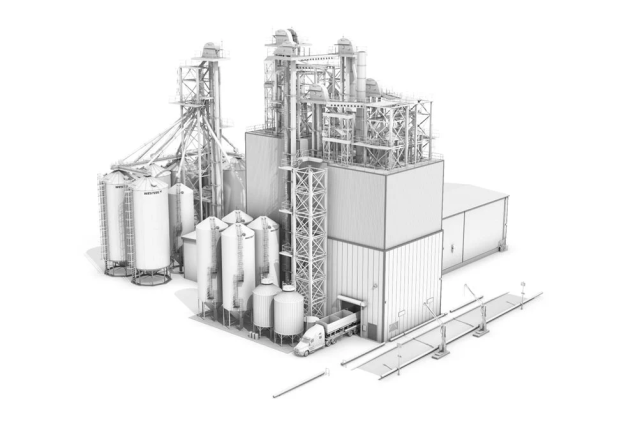
As the demand for animal feed continues to rise, so does the energy consumption of feed mills. In addition to increasing production costs, this high energy consumption can also have a significant impact on the environment. To address these challenges, feed mills must take a proactive approach to improving energy efficiency. Here are some strategies that can help feed mills become more sustainable and cost-effective.
Upgrading Equipment for Energy Efficiency
Investing in newer, energy-efficient equipment is one of the most effective ways to reduce energy consumption in feed mills. Upgrading to energy-efficient motors, drives, and compressors can significantly lower energy usage, leading to cost savings and a reduced carbon footprint.
Regular Maintenance for Optimal Performance
Maintaining equipment is also critical in reducing energy losses and prolonging equipment life. Regular maintenance checks and proper lubrication can help ensure equipment is operating at optimal performance levels, leading to lower energy consumption.
Optimizing the Feed Milling Process
Optimizing the feed milling process is another effective way to save energy. This can involve fine-tuning feed formulations, reducing process waste, and adjusting the grinding process to minimize energy consumption.
In conclusion, improving energy efficiency in feed mills is essential for sustainable and cost-effective animal feed production. By implementing a combination of energy-saving strategies, feed mills can reduce energy consumption, lower production costs, and minimize their environmental impact. As a result, they can create a more sustainable and profitable future for their business.
APPLY THE THINKING
Turn insight into an accountable operating decision.
Start with a focused diagnostic of the revenue, GTM, RevOps, forecast, or AI constraint.
Request an AI Revenue Diagnostic