
ORIGINAL LINKEDIN ARTICLE
Personalization at Scale | The Holy Grail of Customer Experience
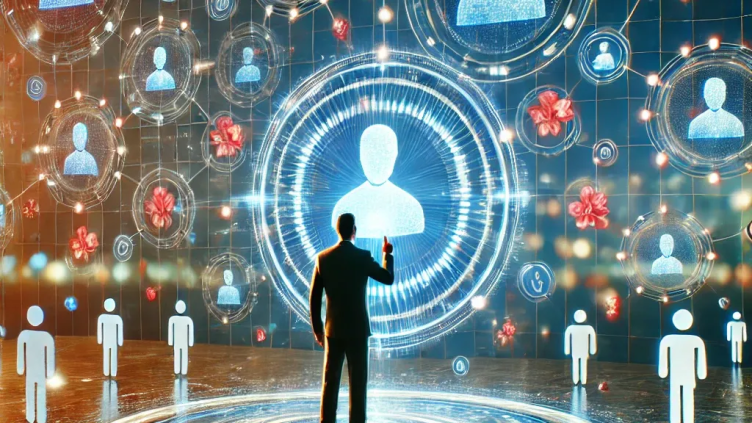
This is Chapter 6 of my book: Introduction to Sales & Marketing Data Analytics.
Personalization is no longer just a trend-it’s the future of customer engagement, and those who master it will dominate their industries. We live in a world where customers expect every interaction to feel tailor-made, whether they’re browsing an e-commerce site, watching their favorite streaming service, or scrolling through social media. It’s no longer enough to address customers by their first name in an email or recommend products based on generic categories. Today’s consumers want experiences that feel deeply personal, like the brand knows them inside and out, and this is where personalization at scale becomes the game-changer.
The beauty-and the challenge-of personalization is delivering it at scale. How do you create hyper-targeted, individualized experiences for millions of customers without manually crafting each one? This is where data, automation, and artificial intelligence (AI) come into play, driving personalized recommendations, real-time content delivery, and one-to-one marketing on a massive scale. Think of companies like Netflix, Amazon, and Spotify-they’ve set the bar for personalized customer experiences by leveraging vast datasets and advanced algorithms to serve relevant, meaningful content to millions of users simultaneously.
But here’s the key: scale and relevance must go hand in hand. It’s not just about automating a few personalized messages-it’s about creating an ecosystem where every touchpoint feels like a conversation tailored to each customer’s preferences, behaviors, and needs. When done right, personalization at scale drives engagement, boosts conversion rates, and builds long-term loyalty. When done poorly, it risks coming across as cold, invasive, or-even worse-creepy.
In this chapter, we’ll break down the science behind algorithm-driven recommendations, explore real-world examples like Netflix, and discuss how brands can balance automation with the human touch to create impactful customer experiences. You’ll learn how to deliver the right message, to the right person, at the right time-without losing the personal touch that makes customers feel truly valued.
The future of marketing is one-to-one, powered by AI and driven by data. But with great power comes great responsibility, especially when it comes to maintaining trust and privacy. As we explore the intricacies of personalization, we’ll also look at how brands can avoid crossing the line, ensuring that their efforts enhance the customer experience without stepping into uncomfortable territory.
The Science Behind Personalized Recommendations: Algorithms and Customer Journeys
The ability to deliver personalized recommendations has become the backbone of modern marketing and customer experience strategies. It’s what allows brands to go beyond generic messages and offer customers a sense of individuality-whether through product suggestions, tailored content, or curated services. But what powers these seemingly intuitive recommendations is a complex system of algorithms that continuously learn from customer interactions. Understanding this science is key to mastering the art of personalization at scale.
At the core of personalized recommendations are algorithms-sets of rules and mathematical models that process vast amounts of data to make predictions about a customer’s preferences. But not all algorithms are the same. There are two primary approaches that brands use to personalize recommendations: collaborative filtering and content-based filtering. These methods often work in tandem to create the most accurate and timely suggestions.
Collaborative filtering is one of the most commonly used approaches. It works by analyzing patterns of behavior across a large group of users. For example, collaborative filtering looks at the behavior of similar users-what they browse, purchase, or engage with-and predicts that another customer with comparable behavior will likely enjoy the same things. It’s akin to the idea that “customers like you also bought this” or “people who watched this movie also watched that one.” This method doesn’t require deep knowledge of the actual product or content, but rather, it relies on finding correlations between different users’ behaviors.
For instance, think of a streaming platform recommending a movie based on viewing patterns across millions of users. Collaborative filtering analyzes trends within these massive data sets, identifying what viewers with similar tastes enjoy. The more customers interact with the platform, the smarter the recommendations become. This ability to scale and improve over time is what makes collaborative filtering so powerful-it learns from the behaviors of the crowd and adjusts its predictions accordingly.
On the other hand, content-based filtering focuses more directly on individual preferences. Unlike collaborative filtering, which compares user behavior across a broad spectrum, content-based filtering examines the characteristics of the items a particular customer has interacted with. For example, if someone has consistently purchased or shown interest in running shoes, content-based filtering will suggest other products that share similar attributes-such as style, brand, or material. It’s a more tailored approach that aligns closely with the specific interests and actions of the individual customer.
This method ensures that the recommendations feel more personal and relevant. By analyzing the attributes of each item and matching them to the customer’s known preferences, content-based filtering can create a more focused experience. In practice, this means a fashion retailer won’t just recommend random clothing items, but instead will suggest pieces that align with a customer’s specific style or past purchases. It becomes less about what others are buying and more about what fits that particular person’s preferences.
Now, while these algorithms are incredibly powerful on their own, their true potential is unlocked when they are strategically woven into the customer journey. This is where timing and context come into play. It’s not just about providing the right recommendation; it’s about doing so at the right moment, when the customer is most open to engaging with it.
For example, a customer who has been browsing workout gear may not be ready to purchase immediately. However, if they receive a well-timed email later in the day with personalized recommendations based on their browsing history, they may be more likely to return and make a purchase. The key is to deliver the recommendation at a point in the journey where it feels like a natural extension of the customer’s experience, rather than a hard sales push.
A critical aspect of this process is data integration. For personalized recommendations to work effectively, companies need to gather data from multiple touchpoints-whether it’s the customer’s behavior on the website, interactions with an app, past purchases, or even responses to marketing emails. All of this data feeds into the recommendation engine, allowing the algorithms to create a more complete picture of the customer. The more data the system has, the better its ability to predict what the customer will want next.
Take a platform like Coursera, an online education provider. It doesn’t just recommend courses based on the last subject you studied. It analyzes your entire learning journey-past courses, completion rates, even your interaction with certain types of content-to suggest the next best course. Whether you’re looking to build a new skill set or dive deeper into an existing one, the recommendations feel personalized to your growth path, making the experience far more engaging than a generic “you might like this” suggestion.
The real value of personalized recommendations lies in how they enhance the discovery process. When done right, these recommendations don’t just push products or services-they introduce customers to new things they didn’t know they needed or wanted. This discovery creates a sense of excitement and engagement, as customers feel like the brand is helping them find exactly what they’re looking for, even before they realize it themselves.
However, it’s important to recognize that personalization is only as effective as the data it’s built on. If the data is inaccurate or outdated, the recommendations will feel irrelevant or misplaced. Brands must continuously refine their data collection processes and ensure that their algorithms are learning in real-time. This is where machine learning comes in, as it allows recommendation engines to constantly adapt based on new customer inputs, keeping the experience fresh and personalized.
Moreover, while automation plays a huge role in driving these recommendations, brands must be careful not to over-automate. Customers still appreciate a human touch in their interactions. Combining algorithm-driven insights with manual customer insights-like feedback from customer service teams or social media interactions-helps brands strike the right balance. This approach ensures that personalization feels genuine and not just robotic.
In the end, the science behind personalized recommendations is about delivering value at every stage of the customer journey. It’s about using data to anticipate needs and creating a seamless experience where every interaction feels tailored, relevant, and, most importantly, personal. When brands get this right, they don’t just increase conversions-they build lasting relationships with customers who feel understood and valued.
Netflix Logo
Case Study: How Netflix Achieves a Personalized Experience for Millions
When it comes to personalization at scale, Netflix is often seen as the benchmark. With over 200 million subscribers worldwide, the platform delivers a highly individualized experience to each user, making it seem like the service was tailor-made for them. But how does Netflix pull this off across such a vast and diverse audience? The answer lies in the combination of data-driven insights, algorithmic precision, and a deep understanding of human behavior.
At the heart of Netflix’s personalization strategy is its sophisticated recommendation engine. The platform tracks every interaction users have with the service, from the shows they watch to how long they watch them, whether they pause or rewind, and even how they scroll through the menu. This wealth of data is then processed through Netflix’s algorithms, which analyze viewing habits, genres, actors, and even subtle preferences like the time of day users watch content. It’s all aimed at predicting what a user will want to watch next, with the ultimate goal of keeping them engaged with the platform for as long as possible.
One of the key innovations behind Netflix’s approach is the way it personalizes the user interface. Unlike traditional streaming platforms where everyone sees the same list of popular shows or new releases, Netflix tailors its interface for each individual. The thumbnails, categories, and recommendations a user sees are all based on their personal preferences. For example, if a user tends to watch thrillers, Netflix might surface those types of shows at the top of their feed. But it goes deeper than that-Netflix will also adjust the thumbnail images to appeal to specific interests. So, for someone who watches a lot of crime dramas, the thumbnail for a comedy might feature a dark, edgy image rather than a lighthearted one, making it more likely to capture that user’s attention.
Netflix’s data-driven personalization extends beyond just suggesting shows. The company also focuses on the context in which users watch content. For instance, Netflix has learned that many users have different viewing habits depending on the time of day or the device they’re using. Someone watching Netflix on their phone during a commute might get recommendations for shorter shows or stand-up comedy specials, while the same person might see different suggestions when browsing at home on their TV, where they’re more likely to commit to longer movies or series.
But personalization on this scale doesn’t just happen overnight. Netflix’s algorithms are continually refined using A/B testing. The company constantly runs experiments on different groups of users to test everything from thumbnail images to content placement on the homepage. Through these tests, Netflix gathers data on what drives user engagement and satisfaction, which in turn informs the algorithms. It’s an iterative process that allows Netflix to continuously optimize its recommendations.
What’s particularly impressive about Netflix’s personalization is how it navigates the balance between automation and human creativity. While the algorithms handle the heavy lifting in terms of analyzing data and predicting preferences, Netflix’s content teams still play a crucial role in curating the right mix of shows, movies, and original content. This human element ensures that the platform remains fresh and exciting, with content that aligns with broader cultural trends and user interests.
An important part of Netflix’s success is its ability to handle global scale without sacrificing personalization. With subscribers in more than 190 countries, Netflix has to account for vast differences in culture, language, and content preferences. To do this, the platform’s recommendation engine is not just a one-size-fits-all solution-it’s designed to be hyper-localized. In India, for example, Netflix’s algorithms may prioritize Bollywood films or regional TV shows, while users in Japan might see more anime and local dramas. Despite the global reach, Netflix ensures that each user feels like their content choices are specifically catered to their tastes and culture.
However, Netflix’s ability to deliver such a personalized experience also raises questions around data privacy and the potential for over-personalization. While most users appreciate the convenience of tailored recommendations, there’s always the risk that too much personalization can feel invasive. Netflix has managed this well by being transparent about how it uses data. The platform allows users to adjust their settings, offering control over what data is collected and how recommendations are made. This transparency builds trust and ensures that users feel comfortable with the level of personalization they receive.
The real genius of Netflix’s personalized experience is that it doesn’t feel robotic or forced. The platform uses data to create a seamless experience where users naturally discover content they love, without feeling like they’re being manipulated. This balance between intelligent recommendations and user autonomy is what makes Netflix’s approach so effective. It feels like the platform knows you, but in a way that enhances your experience rather than intrudes on it.
Looking ahead, Netflix’s personalization strategy will only become more advanced as AI and machine learning continue to evolve. The company is already experimenting with predictive models that can anticipate not just what a user might want to watch next, but what content they’ll enjoy six months or a year down the line. This level of personalization, driven by long-term behavioral insights, has the potential to make Netflix an even more integral part of its users’ daily lives.
Netflix’s ability to personalize at scale is a masterclass in data-driven marketing. By combining user behavior with algorithmic precision and creative curation, Netflix delivers an experience that feels deeply personal to each of its millions of users. It’s not just about keeping viewers on the platform longer-it’s about making them feel understood and valued, one show at a time.
Delivering Tailored Content, Ads, and Product Recommendations in Real-Time
Consumers have come to expect immediacy-whether it’s in the content they consume, the ads they see, or the product recommendations they receive. The ability to deliver real-time personalization has become a critical differentiator for brands looking to engage customers at the right moment. It’s not just about sending the right message but about delivering that message exactly when it matters most.
Real-time personalization is made possible through a blend of data collection, advanced algorithms, and instantaneous processing. Modern systems have the capability to gather data from every touchpoint a customer interacts with, process that information in milliseconds, and respond with tailored content or product recommendations. The result? Customers feel like the brand is truly attuned to their needs in that exact moment, making the experience both relevant and seamless.
Take the example of real-time product recommendations in an e-commerce environment. When a user is browsing an online store, algorithms work in the background to analyze their current behavior-what items they’re looking at, how much time they spend on certain pages, and whether they’ve added anything to their cart. Based on this data, the system can suggest related products, display personalized offers, or show accessories that complement the items they’re considering. This all happens in real-time, creating an experience where the customer feels guided through their shopping journey, as if the brand intuitively understands what they need next.
Real-time personalization extends beyond just product recommendations. It also plays a significant role in the content that brands serve to their customers. For example, media companies and news platforms tailor the articles or videos shown to users based on their viewing history, preferences, and real-time browsing behavior. Imagine a user visiting a news website to read a particular story. As they scroll, the platform can instantly recommend other articles based on that specific interest, ensuring the user stays engaged for longer. This continuous cycle of personalized content keeps users immersed in the platform, driving both engagement and loyalty.
The same principle applies to advertising. Real-time personalization in ads takes what used to be broad, generic messaging and transforms it into highly targeted, relevant content delivered at just the right moment. For instance, a user who has recently searched for vacation rentals might start seeing real-time ads for flight deals, local tours, or hotel recommendations based on their current location and browsing history. Platforms like Google Ads and Facebook Ads use dynamic ad-serving technologies that pull from live data to make sure the ads reflect exactly what the customer is most likely to engage with at that moment.
But delivering personalized content or ads in real-time goes beyond just relevance. It’s about timing. The ability to capture a customer’s attention at the perfect moment is a powerful tool in driving conversions. Imagine you’re shopping online for a new winter jacket. After browsing for a while, you decide to hold off on purchasing. Later that day, as you scroll through your social media feed, you’re served an ad for the same jacket-this time with a limited-time discount. This kind of real-time, context-aware personalization is what nudges customers from consideration to conversion, and it’s the hallmark of an effective personalized marketing strategy.
Retailers have also embraced real-time personalization in physical stores through the use of beacon technology and location-based marketing. Beacons are small devices placed within stores that can communicate with a shopper’s smartphone via Bluetooth. If a customer has the retailer’s app installed, the beacon can trigger personalized offers or product recommendations as soon as they enter a specific section of the store. For example, as a customer walks by the shoe section, they might receive a notification with a discount on the exact type of shoes they’ve been browsing online. This blend of physical and digital personalization creates a truly omnichannel experience, where the customer journey feels cohesive and interconnected no matter where they are.
One of the key drivers behind real-time personalization is the rise of customer data platforms (CDPs) and machine learning. These technologies allow brands to aggregate data from various sources, analyze it in real-time, and trigger personalized actions instantly. For example, CDPs can combine data from a customer’s in-store purchase history, online browsing habits, social media activity, and email interactions to create a comprehensive profile. This profile is continuously updated as new data comes in, allowing the system to make better, more personalized recommendations in real time.
The advantage of machine learning in real-time personalization is its ability to anticipate customer needs rather than simply react to them. Machine learning models can analyze vast amounts of data and predict what a customer might want next, even before they’ve taken any action. This predictive capability allows brands to preemptively offer solutions or products, further enhancing the customer experience. For example, a streaming platform might recommend a new show to a user based on their viewing patterns before they’ve even finished their current series. Or an airline might offer a flight upgrade at a critical moment in the booking process, based on the customer’s past travel preferences.
Of course, delivering personalized content, ads, and product recommendations in real-time requires a delicate balance. While personalization is powerful, it’s important that it doesn’t feel invasive or overwhelming. If customers sense that a brand is watching their every move, it can create discomfort and erode trust. The key to successful real-time personalization is making it feel natural-like a helpful suggestion rather than a sales tactic.
Maintaining transparency and ensuring that customers are aware of how their data is being used is essential to building trust in real-time personalization efforts. Brands that respect privacy while still delivering value through personalization are more likely to build lasting relationships with their customers.
The brands that can effectively leverage real-time personalization will create experiences that feel dynamic, responsive, and, most importantly, relevant to the customer’s immediate needs. Whether it’s a perfectly timed product recommendation, a well-placed ad, or a timely piece of content, real-time personalization is the key to driving engagement, loyalty, and conversions in today’s fast-paced, data-driven world.
Scaling Personalization: Balancing Automation and Manual Customer Insights
As companies grow and their customer bases expand, one of the most significant challenges they face is how to scale personalization without losing the human touch. Personalization, when done well, builds a deeper connection with customers, but achieving this on a large scale requires a delicate balance between automation and manual insights. The trick is to leverage technology efficiently while still maintaining an element of human oversight that keeps the experience feeling genuine and relevant.
Automation plays a critical role in making personalization scalable. With millions of customers interacting with a brand through various touchpoints-whether it’s via email, social media, websites, or physical stores-manually crafting unique experiences for each individual is impossible. This is where automation steps in, enabling companies to gather, analyze, and act on customer data in real-time without human intervention. Systems driven by AI and machine learning can process vast amounts of information, segmenting customers based on their behaviors, preferences, and interactions, and then delivering personalized content, recommendations, or offers at the right moment.
Take the example of a global retail brand like Zara, which sells to millions of customers across different countries and regions. Automating customer segmentation based on purchasing history, location, and browsing behavior allows Zara to recommend relevant products to customers in a way that feels personal, even though it’s powered by machine learning. Customers browsing winter jackets in New York during November may receive real-time suggestions for matching scarves or gloves, while customers in warmer climates might see lighter options like raincoats or fall accessories. This automated approach makes personalization seamless across massive audiences.
However, the risk with fully automated systems is that personalization can start to feel impersonal if it’s entirely driven by data and algorithms. This is where manual customer insights come into play. While AI and machine learning provide efficiency and scale, manual insights-often gathered from customer service interactions, surveys, social media engagement, or direct feedback-add the human element back into the equation. These insights can highlight nuances that algorithms might miss, such as emotional drivers behind purchases, shifts in consumer sentiment, or subtle cultural preferences.
For example, Warby Parker, the direct-to-consumer eyewear brand, excels at balancing automation with manual insights. While much of their customer data is collected and analyzed through automated systems-tracking what styles customers view, try on, and purchase-the company also relies heavily on feedback from its customer service teams and in-store interactions to shape its personalization strategies. Warby Parker’s customer service representatives gather qualitative insights, such as customer preferences for fit, color, and lifestyle needs, which are then integrated into their broader personalization strategy. By combining these human insights with automated data collection, the brand ensures that its recommendations don’t just reflect purchase patterns but also the emotions and preferences that drive those purchases.
One area where balancing automation and manual insights is critical is in the realm of email marketing. Automated email campaigns driven by customer data can feel highly personal-suggesting products based on browsing history or sending birthday discounts-but if overused, they can quickly become generic and lose their impact. On the other hand, manually crafted emails, based on real conversations or personalized customer feedback, may resonate more deeply, but they’re not scalable for large audiences.
The best email marketing strategies combine both approaches. For instance, a company might automate the process of sending follow-up emails after a customer makes a purchase, but integrate manual touches like product recommendations based on recent customer service interactions. This ensures that the customer feels cared for on a personal level, without overwhelming the marketing team with labor-intensive tasks.
Scaling personalization also requires companies to get smarter about how they use automation. Not all customers need the same level of personalized attention. High-value customers, for example, may warrant more manual, high-touch interactions-perhaps receiving personalized phone calls, VIP offers, or invitations to exclusive events. Meanwhile, for lower-value customers, automated systems can handle the bulk of the personalization, ensuring that everyone receives a level of customization, but in a more cost-effective and scalable way.
This tiered approach is used by companies like Sephora, which tailors its personalization strategy based on customer lifetime value (CLV). High-spending customers receive more personalized, human-driven experiences, such as one-on-one beauty consultations or early access to new product lines. Meanwhile, automation handles personalized email offers, product recommendations, and loyalty program updates for the broader customer base, ensuring that every customer feels valued while maximizing efficiency.
As AI and machine learning continue to evolve, the lines between automation and manual insights will become increasingly blurred. AI-driven systems are starting to become more adept at capturing the subtle emotional and cultural factors that typically require human intervention. For example, natural language processing (NLP) technologies can analyze customer feedback from surveys or social media and identify key emotional drivers, allowing brands to adjust their messaging in real-time. This ability to combine emotional intelligence with data processing makes it easier for brands to maintain personalization at scale, without losing the human touch.
However, there’s a danger in relying too heavily on automation without regularly incorporating human oversight. Algorithms can occasionally produce recommendations that feel out of touch or irrelevant because they lack the contextual understanding that comes from direct customer interaction. To counter this, brands need to continuously monitor their automated systems and regularly input fresh manual insights. This can come from social listening tools, customer service teams, or even in-store conversations that capture how customers are feeling and what they value most.
Scaling personalization is about finding the right balance. Automation provides the foundation for efficiency and consistency, but manual insights are what keep the experience human and relatable. By blending the two, brands can deliver tailored experiences to millions of customers without sacrificing quality or connection.
As companies continue to refine their personalization strategies, the future will likely see even more seamless integration of AI-driven automation and human insight, leading to personalization experiences that are not only scalable but deeply meaningful to each individual customer.
Hyper-Personalization: The Future of One-to-One Marketing Through AI
As customer expectations continue to evolve, the future of marketing is increasingly centered on hyper-personalization-the next level of one-to-one marketing, where brands tailor experiences down to the individual in real-time. This level of personalization goes beyond segmenting customers by demographics or general behaviors; it digs deeper, using AI, machine learning, and real-time data to predict and respond to customer needs before they even arise. Hyper-personalization is about creating unique, relevant experiences for each customer, at every point of their journey, in a way that feels almost intuitive.
Hyper-personalization leverages AI and machine learning to process vast amounts of data from multiple touchpoints-such as browsing behavior, purchase history, location data, and even real-time interactions on websites or apps. These technologies enable brands to create incredibly precise, individualized marketing messages that align with a customer’s immediate context. This level of specificity is what sets hyper-personalization apart from more traditional forms of personalization, which are typically based on broader segments.
A prime example of hyper-personalization is seen in how Starbucks uses AI in its mobile app. The app analyzes data such as past purchases, preferred store locations, and even the time of day a customer typically orders to suggest highly personalized offers and recommendations. If you usually grab a latte on your morning commute, the app might suggest trying a new seasonal flavor just before you reach your usual store, or offer a discount on a breakfast sandwich that pairs with your favorite drink. The entire experience feels uniquely tailored to the individual, and it happens automatically, driven by real-time data.
What makes hyper-personalization truly powerful is its predictive capabilities. AI isn’t just reacting to what the customer has done in the past-it’s predicting what they’ll want next. For instance, a health and wellness app might monitor a user’s workout routines, dietary habits, and even sleep patterns to deliver personalized recommendations for fitness programs, recipes, or supplements. If the app detects that a user has increased their workout intensity, it might suggest products that support muscle recovery or offer tips on adjusting nutrition to match the new level of activity. This level of predictive personalization ensures that the brand is always a step ahead, anticipating the customer’s needs before they even articulate them.
But hyper-personalization doesn’t stop at product recommendations or content. It also extends to dynamic pricing and offers. For instance, e-commerce companies can use hyper-personalization to adjust prices in real-time based on individual customer behaviors and willingness to pay. A frequent shopper might receive exclusive discounts based on their loyalty, while a first-time visitor might be offered a special promotion to encourage conversion. This dynamic approach to pricing ensures that offers are not only personalized but also strategically aligned with each customer’s perceived value to the brand.
One of the most significant benefits of hyper-personalization is that it allows brands to create immersive, seamless customer experiences. Consider how Nike has integrated hyper-personalization into its fitness ecosystem. Through apps like Nike Run Club and Nike Training Club, the company tracks every aspect of a user’s workout habits-miles run, goals set, even the type of terrain they prefer. Based on this data, Nike delivers hyper-personalized content, including customized workout plans, shoe recommendations tailored to the user’s running style, and motivational messages to keep them on track. The user feels as though the brand is supporting them personally, which fosters deep loyalty and engagement.
Hyper-personalization also allows brands to deliver content in real-time, adapted to the customer’s current context. Imagine a customer browsing a luxury car brand’s website. Through hyper-personalization, the brand can detect not just which models the customer is interested in, but also their location, the time of day, and their browsing history. If the customer is near a dealership, they might receive a personalized invitation to schedule a test drive. If they’re visiting the website at night, they might be shown a high-gloss video showcasing the car’s sleek interior lighting features. This level of personalization makes the experience feel tailored and timely, enhancing the customer’s connection to the brand.
AI-driven hyper-personalization can also be applied in email marketing. Rather than sending out generic emails to large segments of customers, AI can generate unique content for each recipient based on their past interactions with the brand. This could include personalized product recommendations, custom discount codes, or even tailored subject lines that align with the customer’s preferences and behaviors. The result is an email experience that feels genuinely personal-more like a one-on-one conversation than a broad marketing effort.
While hyper-personalization offers a wealth of opportunities for brands to connect with customers, it also comes with challenges-the most significant of which is maintaining customer trust. With hyper-personalization comes the risk of overstepping, where customers may feel that the brand knows too much about them or is using their data in ways that feel invasive. To avoid this, brands must strike the right balance between delivering value and respecting privacy. Transparency is key-customers need to understand how their data is being used and, more importantly, how it benefits them.
A study by Accenture found that 83% of consumers are willing to share their data for a more personalized experience, but they also expect transparency and control over how that data is used. This underscores the importance of data ethics in hyper-personalization. Brands that are open about their data practices, and that offer customers options to manage their privacy, will build stronger, more trusting relationships.
As we look to the future, the potential for hyper-personalization is virtually limitless. With AI continuing to evolve, brands will have even greater capabilities to deliver one-to-one experiences that are contextually relevant, emotionally resonant, and predictive. We’re already seeing innovations in natural language processing (NLP) and AI-driven content creation, where machines can generate personalized articles, video scripts, or product descriptions tailored to each individual. The result is marketing that doesn’t just feel personalized-it’s uniquely crafted for every customer interaction.
Hyper-personalization represents the future of marketing. It takes the promise of one-to-one engagement and makes it scalable through AI and data-driven insights. Brands that invest in this level of personalization will not only enhance the customer experience but also build deep, long-lasting relationships that drive loyalty and revenue.
Avoiding the “Creepy Factor”: Respecting Privacy While Providing Personalized Experiences
As brands continue to push the boundaries of personalization, there’s an increasingly fine line between delivering a highly relevant experience and creeping out the customer. This is often referred to as the “creepy factor”-the moment when personalization feels too invasive, making customers uncomfortable with how much a brand seems to know about them. As companies leverage more sophisticated technologies like AI and machine learning to gather data and predict customer behavior, it becomes crucial to balance personalization with privacy. The challenge is to deliver value through personalized experiences without crossing that invisible line into feeling intrusive.
So, how do brands avoid the creepy factor while still harnessing the power of personalization? It starts with transparency and ensuring customers feel in control of their data. In a world where consumers are more aware than ever about data collection practices, respecting their privacy is not just a regulatory obligation-it’s a competitive advantage. A transparent approach to data usage builds trust, and that trust is the foundation of any successful personalized marketing effort.
One of the key strategies for maintaining transparency is offering customers control over their data. This means giving users the ability to opt in or out of certain types of data collection, as well as providing clear information on how their data is being used. Brands like Apple have leaned heavily into this model, positioning privacy as a core part of their value proposition. Apple’s marketing emphasizes its commitment to protecting user data, which has helped the company foster a strong trust relationship with its customer base. Even though Apple uses customer data to personalize experiences-whether through app recommendations or tailored news-it does so in a way that makes users feel empowered and in control.
Similarly, Spotify offers users control over the data that informs their music recommendations. While Spotify uses vast amounts of data to hyper-personalize playlists and music suggestions, it provides users with the ability to influence the algorithm by liking or skipping tracks, thus making the personalization feel less like an imposition and more like a mutual relationship between the user and the platform.
Another way to avoid the creepy factor is by ensuring that personalization is value-driven rather than data-driven for the sake of it. Customers are generally more comfortable sharing data when they see a clear benefit. For instance, when an online retailer like Nordstrom suggests products based on past purchases, or when a travel company like Expedia recommends destinations based on prior trips, customers can see the direct benefit of sharing their preferences. The personalization feels helpful because it saves them time and improves their experience, rather than feeling like an invasion of privacy.
However, personalization can cross the line when it feels too precise or when the timing is off. Imagine browsing for a new pair of shoes online, and suddenly you’re bombarded with ads for that same pair across every website you visit, even after you’ve made the purchase. This type of overly aggressive retargeting can make customers feel as though they’re being stalked. To prevent this, brands need to implement frequency caps and smart retargeting strategies that respect the customer’s journey without overwhelming them. Personalization should enhance the experience, not dominate it.
The timing of personalized offers also plays a huge role in whether customers perceive them as helpful or intrusive. Well-timed recommendations feel intuitive, while poorly timed ones can come off as invasive. For example, receiving a product recommendation based on a purchase from several months ago feels off and irrelevant, whereas a recommendation delivered right after an interaction (such as adding an item to the cart) feels timely and useful. This is where real-time data and contextual understanding become essential. Brands need to be sensitive to the customer’s current context-whether they’re actively shopping, just browsing, or even resting between sessions-to deliver personalization that feels natural.
Cultural sensitivity is another aspect of avoiding the creepy factor. Personalization strategies that work in one region or demographic may not work in another. For instance, customers in North America might be more accustomed to personalized email offers, while customers in Europe, where GDPR privacy regulations are stricter, might be more skeptical of overly personalized marketing. Understanding and adapting to these cultural and regulatory differences is key to ensuring that personalization efforts are seen as a positive rather than an intrusion.
Brands must also be mindful of over-personalization-delivering too much too soon. Customers might appreciate a personalized product recommendation, but if the brand starts predicting things like what they might want to eat for dinner based on their location or search history, it can start to feel like an overreach. The goal is to strike the right balance-personalizing enough to provide value without crossing into territory where the customer feels uncomfortable. This balance can be achieved by prioritizing relevance over sheer personalization. Instead of trying to personalize every detail, brands should focus on delivering the most relevant and meaningful experiences.
One of the most critical factors in maintaining this balance is data security. In an era of increasing data breaches and privacy scandals, customers are rightfully concerned about how their data is being protected. Brands that prioritize robust data security measures, communicate these measures clearly, and demonstrate that they are handling customer data responsibly will gain an edge in building trust. Companies like Google and Microsoft have made significant investments in data security and privacy features, helping to mitigate concerns around how user data is collected and stored. Customers are more willing to engage with personalization efforts when they know their data is safe.
Looking ahead, personalization strategies will continue to evolve, and brands will need to stay ahead of emerging privacy concerns. Technologies like blockchain may offer future solutions for ensuring that customer data is both secure and transparent, giving users even more control over their personal information. Brands that invest in privacy-first personalization will be better positioned to build long-lasting, trusted relationships with their customers.
Avoiding the creepy factor is about respecting boundaries while still delivering meaningful, relevant experiences. Personalization should feel like a natural part of the customer journey, not an intrusion. By prioritizing transparency, giving customers control over their data, ensuring proper timing, and delivering clear value, brands can create personalization strategies that build trust and loyalty rather than discomfort.
#DigitalMarketing, #MarketingStrategy, #MarketingTrends, #ContentMarketing, #MarketingInnovation, #Personalization, #MarketingAutomation, #CustomerJourney, #MarketingAnalytics, #BrandStrategy, #CustomerExperience, #CustomerEngagement, #CustomerSatisfaction, #CXInnovation, #CustomerRetention, #CustomerInsights, #CustomerCentric, #CustomerLoyalty, #CXTrends, #RealTimeMarketing, #MarTech, #BigData, #DataDriven, #PredictiveAnalytics, #AIinMarketing, #DataVisualization, #MachineLearning, #DataScience, #RealtimeAnalytics, #TechInnovation, #TargetedAds, #ContentCreation, #AdTech, #ProgrammaticAdvertising, #CreativeAdvertising, #DynamicContent, #TailoredContent, #ContentStrategy, #PersonalizedMarketing, #ContentDistribution, #FutureOfWork, #BusinessGrowth, #InnovationStrategy, #GrowthHacking, #DisruptiveInnovation, #EcommerceTrends, #DigitalTransformation, #ThoughtLeadership, #FutureOfMarketing, #ScalingSuccess
APPLY THE THINKING
Turn insight into an accountable operating decision.
Start with a focused diagnostic of the revenue, GTM, RevOps, forecast, or AI constraint.
Request an AI Revenue Diagnostic