ORIGINAL LINKEDIN ARTICLE
Prolonged U.S. Beef Cycle Downturn: Implications for Agribusiness and Investments in Farms and Feed Processing Plants
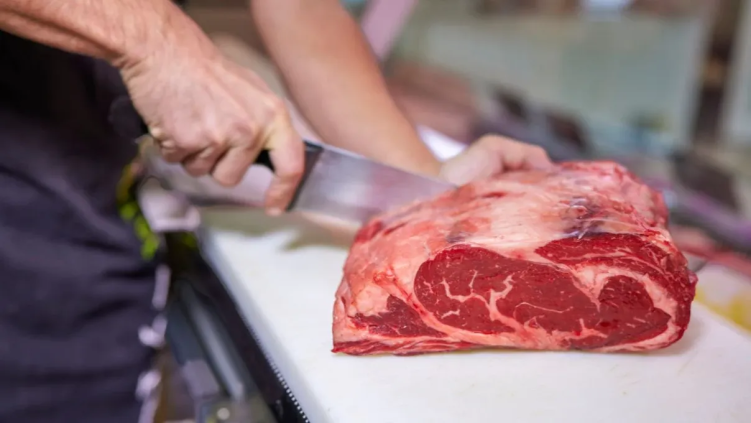
The recent insights from Bank of America (BofA), suggesting that the U.S. beef market could remain in a downward cycle until 2026, have raised serious concerns across the agribusiness sector. This projection presents not just a challenge for beef producers, but also for an entire ecosystem that includes investors in farmland, feed processing plants, and even those involved in agricultural technologies that support the beef supply chain.
The cattle industry in the U.S. plays a pivotal role in global beef production, and any extended market contraction will have ripple effects far beyond the confines of North America. With JBS, one of the world’s largest beef processors, being highly exposed to the U.S. market, it's imperative to dissect the broader impact on agribusiness investments, particularly on farms and feed processing plants, which form the backbone of beef production.
Understanding the Current Cycle: What’s Driving the Downturn?
Before diving into the investment implications, it's essential to understand the factors contributing to the downturn in the U.S. beef cycle. Historically, beef production operates in a cyclical nature driven by supply and demand dynamics, feed prices, environmental conditions, and consumer behavior.
“We see a risk that the downturn in the beef cycle could extend until 2026, as the heifer slaughter rates are still relatively high compared to previous cycles, which suggests that cow-calf operators’ margins still have potential for growth. The last three downturn cycles have lasted longer than the usual five years,” the analysts say.
Isabella Simonato Alonso, Julia Zaniolo, and Peter Galbo, CFA point out that while the favorable macroeconomic environment and limited supply have helped maintain high beef prices, they haven’t been sufficient to counterbalance the rising cattle costs. As a result, meatpacking plants are likely to face pressure on their margins for at least the next year.
Currently, several factors are converging to create this extended low phase:
Drought Conditions: Widespread droughts across key cattle-producing regions have reduced the availability of pastureland, leading many producers to thin their herds earlier than anticipated. The diminished water supply has also affected crop yields, particularly corn and soybeans, which are key components of feed.
High Feed Costs: The global rise in grain prices, exacerbated by geopolitical factors and supply chain disruptions, has further pressured producers. The cost of feeding cattle has surged, reducing profit margins and prompting some to exit the industry altogether.
Labor Shortages and Processing Bottlenecks: The lingering effects of the COVID-19 pandemic continue to be felt across the agricultural sector, including beef processing plants. Labor shortages and plant shutdowns have slowed down the processing of cattle, creating backlogs and inefficiencies in the supply chain.
Shifting Consumer Preferences: There is also the growing influence of alternative proteins, such as plant-based and lab-grown meats, which are gradually gaining market share. Consumer preferences, particularly in urban and younger demographics, are increasingly shifting toward more sustainable and health-conscious food choices, adding further strain to traditional beef consumption.
Given these dynamics, the outlook for the beef industry suggests a slow recovery, with prices remaining volatile and profitability for producers likely suppressed until herd sizes can be rebuilt and input costs stabilized.
Impact on Farms: Investment Risks and Opportunities
1. Decreased Profitability for Cattle Farms
At the farm level, cattle producers are bearing the brunt of the downturn. The combination of high feed costs and lower profitability from selling cattle has left many ranchers struggling. For those with small or mid-sized operations, the ability to weather a prolonged period of low margins is particularly challenging. In many cases, these producers rely heavily on credit to finance feed, equipment, and other operational expenses.
This presents a substantial risk to investors in farmland and cattle operations. Reduced profitability can lead to farm foreclosures, higher default rates on agricultural loans, and reduced land values in regions heavily dependent on cattle production. Investors who have focused their portfolios on livestock operations or beef-centric agricultural land may need to reassess their risk profiles and consider diversifying into other agricultural sectors, such as crops, poultry, or dairy, which are currently seeing more stable market conditions.
2. Water Scarcity and Environmental Concerns
With droughts playing a significant role in the current cycle, water scarcity has become a critical concern for cattle farms. Many investors are now prioritizing water-efficient farming practices, and technologies such as drip irrigation and precision agriculture.
Investors may find new opportunities by backing farms that invest in sustainable practices aimed at reducing water usage, such as regenerative agriculture and improved grazing management techniques. While the upfront investment in these technologies can be substantial, farms that are able to improve their water efficiency may emerge as more resilient and competitive in a changing climate.
3. Shift Toward Vertical Integration
The financial pressures on small to mid-sized cattle producers are also driving consolidation within the industry. Large corporations like JBS and Tyson Foods are increasingly moving toward vertical integration, where they control the entire supply chain-from feed production to cattle farming to processing and distribution.
For investors, this presents both risks and opportunities. While smaller, independent farms may struggle, those willing to integrate their operations with larger agribusinesses may find new pathways to profitability. Private equity investors may consider acquiring or partnering with mid-sized operations that are looking to scale and integrate into larger supply chains.
The Effect on Feed Processing Plants: Innovation as a Lifeline
Feed processing plants, which play a critical role in supporting cattle production, are also feeling the impact of the current downturn. However, these plants are in a somewhat different position than the farms they supply, as they have the ability to adapt their product lines to serve other segments of the livestock industry, such as poultry and swine, which have seen more favorable market conditions.
1. Capacity Utilization and Scaling Down Operations
The biggest challenge for feed processing plants is capacity utilization. With fewer cattle being raised, the demand for feed specific to beef production has decreased. As a result, many feed plants are operating below capacity, which raises operational costs and reduces profitability.
To address this, some feed plants may look to scale down their operations or shift their focus to producing feed for other livestock sectors. Investors in feed processing infrastructure should pay close attention to how adaptable these facilities are. Plants that can pivot quickly to produce feed for poultry, swine, or even aquaculture may present a more stable investment than those that are solely reliant on the beef industry.
2. Increased Demand for Efficiency and Automation
In response to labor shortages and rising input costs, feed processing plants are increasingly turning to automation and data-driven technologies to improve efficiency. Investors in agricultural technology may find opportunities in supporting the development and implementation of automated feeding systems, precision agriculture tools, and IoT-based solutions that can monitor and optimize feed production.
Plants that embrace these innovations will be better equipped to navigate the challenges of the current cycle. For example, feed plants using precision technology can reduce waste and lower costs, making them more competitive even in a down market. Investors should consider backing companies that are at the forefront of this technological shift.
3. Opportunities in Alternative Protein Feed Production
Another area of growth for feed processing plants is the production of feed for alternative protein sources, such as plant-based meats and lab-grown meat. As these industries continue to expand, the demand for specialized feed ingredients, such as algae, soy, and pea protein, will increase.
Feed processing plants that can diversify their product offerings to serve the alternative protein market may find themselves in a stronger position. Investors looking to capitalize on the rise of alternative proteins should explore partnerships with feed plants that are willing to make this transition. Supporting research and development in this area could also yield significant long-term returns.
Strategic Outlook for Investors: Diversification and Innovation Are Key
Given the prolonged nature of the U.S. beef cycle downturn, investors in the agribusiness sector must be strategic in their approach. While the current environment presents challenges, there are also opportunities for those who are willing to adapt.
1. Diversify Across Livestock and Crop Sectors
For investors heavily exposed to the beef industry, now is the time to diversify. The poultry and pork industries, for instance, are seeing more stable demand, and producers in these sectors are better positioned to capitalize on global market opportunities. Crop farming, particularly in areas less affected by drought, also presents a viable alternative.
Investing in diversified farming operations that include a mix of livestock and crop production can help mitigate risk and ensure more stable returns. Investors may also want to explore opportunities in specialty crops or organic farming, which continue to grow in popularity among consumers.
2. Invest in AgTech and Sustainability
The future of agribusiness will be shaped by technological innovation and sustainability. Investors who back farms and feed processing plants that are implementing smart farming practices, precision agriculture, and sustainable water management technologies will be well-positioned to succeed in a more volatile and resource-constrained world.
The AgTech sector continues to grow, with new solutions being developed to tackle challenges such as water scarcity, labor shortages, and climate change. For investors, this sector presents a long-term growth opportunity, particularly in markets where traditional farming practices are becoming less viable.
3. Embrace Vertical Integration
Vertical integration is increasingly becoming the norm in agribusiness. Companies that control multiple stages of the supply chain are better equipped to manage risk and ensure profitability, even in a downturn. Investors should look for opportunities to back businesses that are moving toward a vertically integrated model, whether through acquisitions, partnerships, or joint ventures.
4. Explore Opportunities in Alternative Proteins
As consumer preferences continue to shift, the alternative protein market will only grow. Feed processing plants that are prepared to produce ingredients for plant-based and lab-grown meats will be at the forefront of this industry transformation. Investors should explore opportunities in this space, whether through direct investment in alternative protein companies or through partnerships with feed producers.
Navigating the Downturn with Strategic Investments
The U.S. beef market is facing a prolonged downturn, and its effects will be felt across the entire agribusiness supply chain. For investors, this presents both challenges and opportunities. Farms and feed processing plants that are able to adapt to new market realities-whether through diversification, technological innovation, or sustainability-will emerge stronger and more competitive.
As the beef cycle continues to evolve, investors must remain agile, focusing on long-term strategies that prioritize efficiency, innovation, and resilience. By embracing these principles, they can navigate the current downturn and capitalize on future growth opportunities in the agribusiness sector.
APPLY THE THINKING
Turn insight into an accountable operating decision.
Start with a focused diagnostic of the revenue, GTM, RevOps, forecast, or AI constraint.
Request an AI Revenue Diagnostic